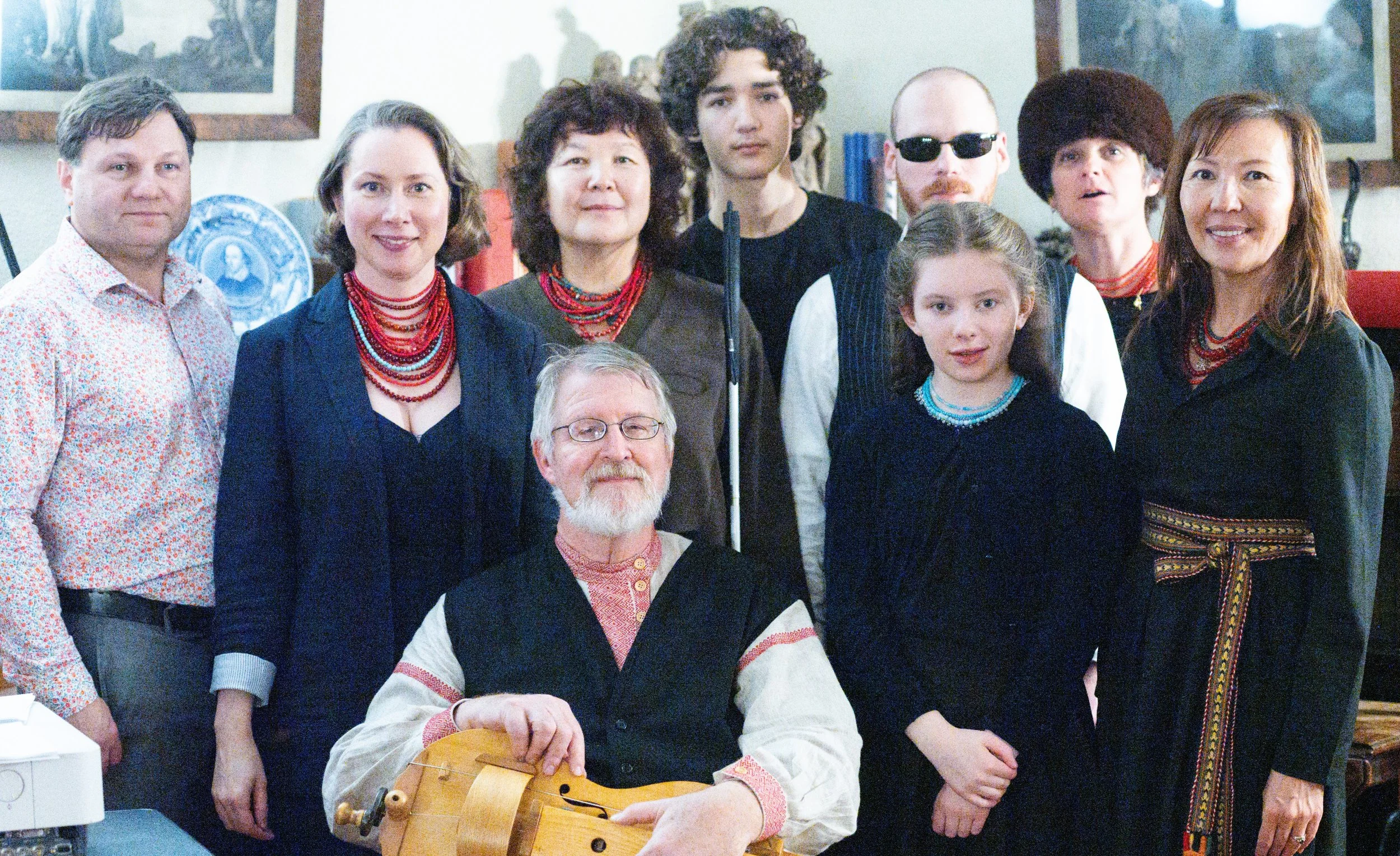
Folk songs, friendship, and the joy of singing together
We are a Boston-based group dedicated to performing music rooted in oral traditions
We connect to this music through our families' heritage or a deep interest in Ukrainian, Belarusian, Georgian, and Russian folk music, as well as songs in the endangered Lemko, Yiddish, and Kalmyk languages. Grunya formed in 2020, but began long before that, when expatriate families came together to support heritage languages and celebrate holidays. What started as a parental mission has since evolved into an ensemble dedicated to performing authentic folk music.
We learn directly from traditional musicians, paying close attention to their dialects and distinctive vocal styles. Our goal is to pass on the raw, emotional, and vital energy that underlies these songs.
We are not professional singers, and this underscores a core idea about folk songs: everyday people created and performed them for generations while working, celebrating, or going through hardships.
By singing folk songs, we reclaim a vital ability that our technological society often suppresses: the uniqueness and beauty of every human voice.
We draw immense joy and strength from these old songs, which continue to resonate and share their powerful energy with a contemporary audience.
Who we are
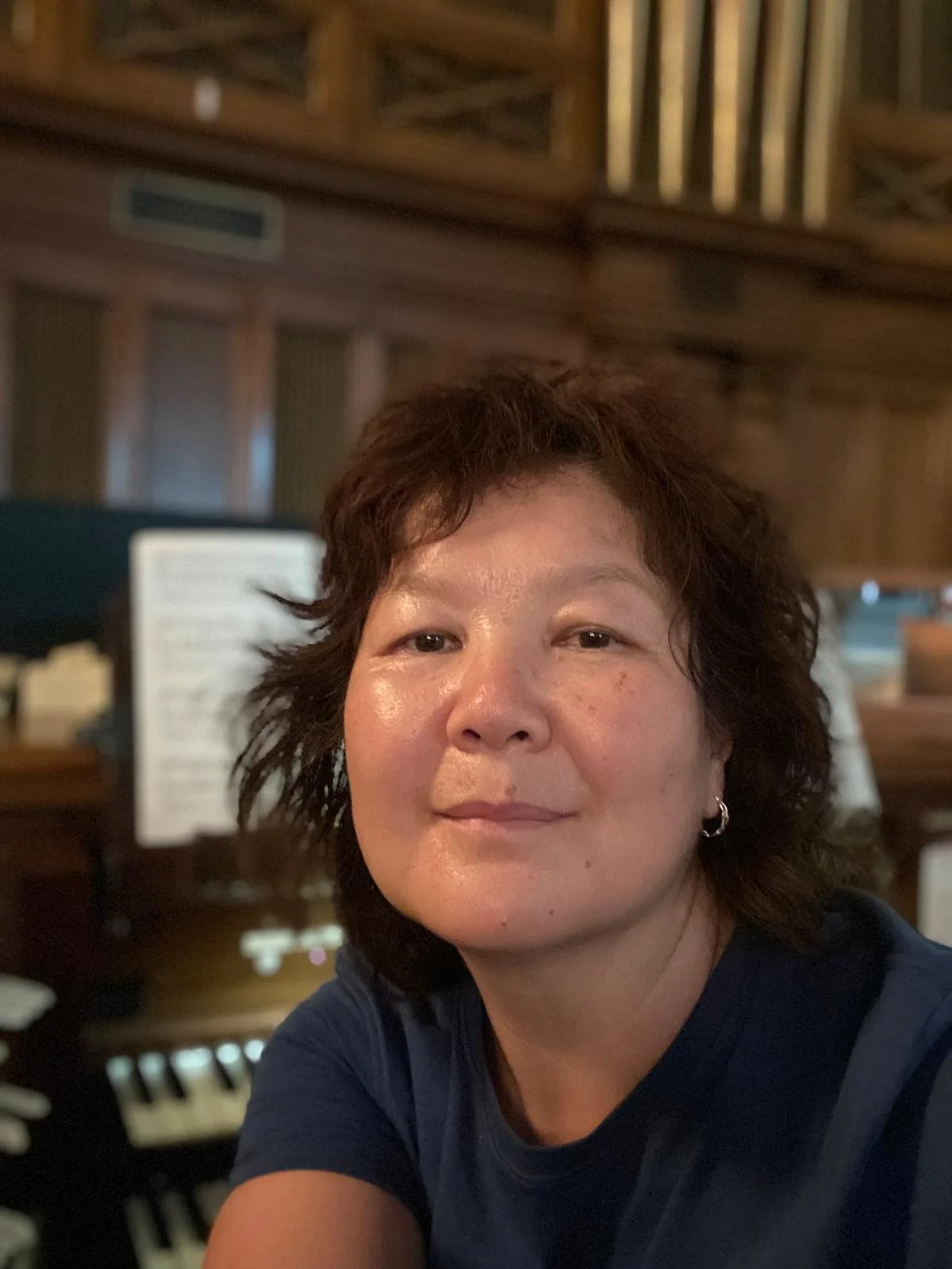
Ghilyana Dordzhieva, ethnomusicologist, PhD, Artistic Director
The great passion of my life is the study of traditional music — it is too alive to remain confined only to paper or in archives. Fieldwork is my greatest joy; my ethnomusicological path began in the western and northern regions of Russia and now continues in Inner Asia, where I've fallen completely under the spell of Mongolian long songs. I love every part of the discovery process: conversations with traditional musicians, understanding the content and its context, transcribing and analyzing melodies, and the final, exciting step of embodying the music through singing.
I enjoy performing, but rehearsals are my favorite time — that's when the most joyful, and often funny, moments happen as we sing together. Our repertoire is vast, yet we're always eager to learn more beautiful songs, and we're deeply grateful that experts from many ethnic cultures generously share their knowledge with us. I'm grateful to be part of Grunya and to help this powerful music keep its voice and connect with people today.
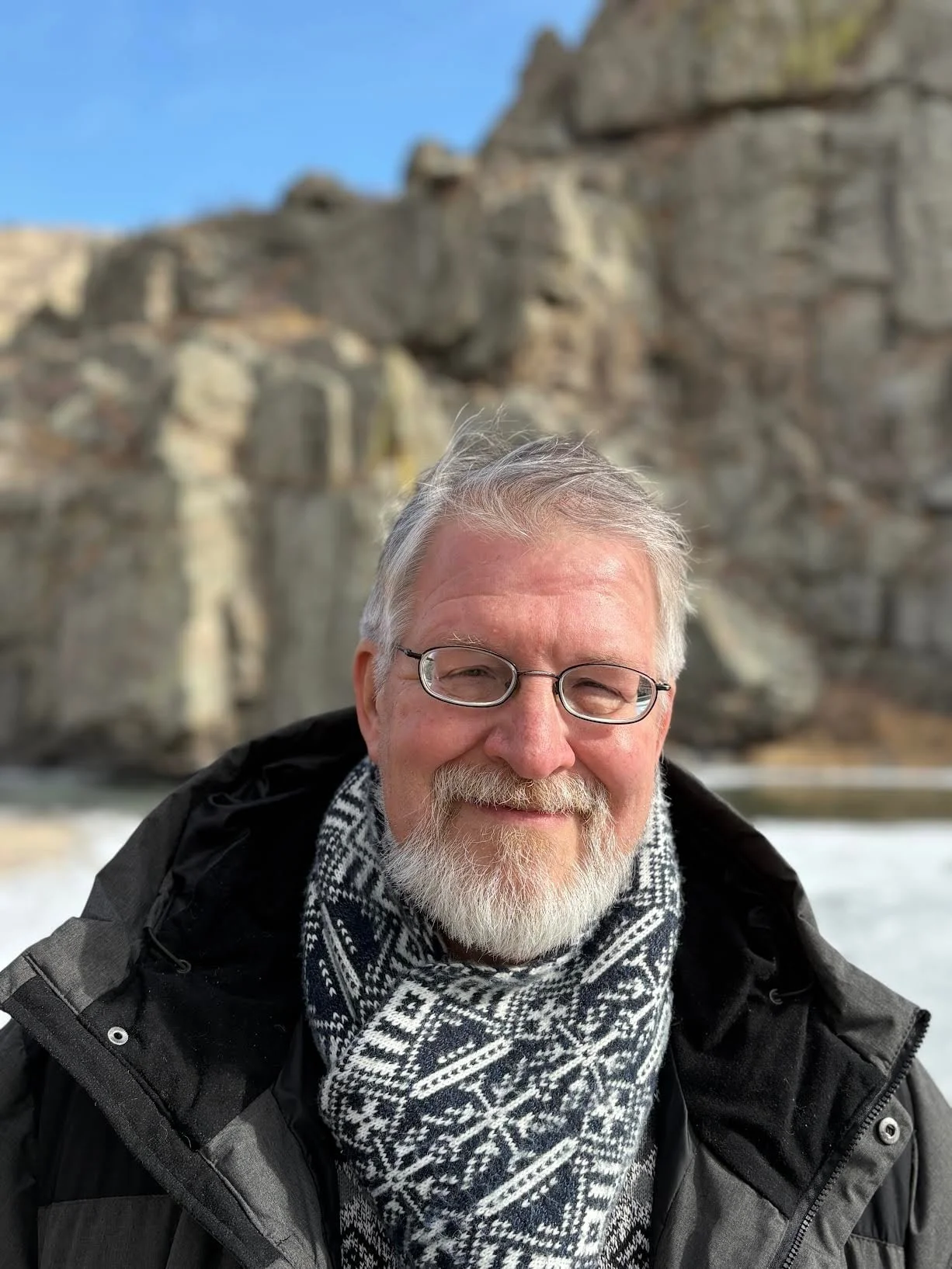
I am a university professor and researcher specializing in the languages and dialects of Eastern Europe, particularly those of the East Slavic group - Belarusian, Russian, Ukrainian, and Lemko-Rusyn. My research interests include language variation, language contact, language and identity, and language policy and planning.
I have loved traditional music of all kinds since my teenage years, but have always felt a special affinity for the authentic village music of the East Slavic peoples. Through Grunya, I not only found a community of people who share my passion for this music, but have also formed lasting friendships.
As a dialectologist and sociolinguist, I am fascinated by the linguistic diversity of our repertoire: we strive to preserve the dialect features of each song rather than “cleaning up” the texts, remaining as faithful as possible to the practices of traditional village singers.
I also collect and play rare folk instruments from Eastern Europe and Eurasia, including the lira (East European hurdy-gurdy), duda (Belarusian bagpipes), folk flutes, herdsmen’s horns, balalaikas, and the Kirillov garmon’ (button accordion). Many of these instruments have become an integral part of Grunya’s sound, and are regularly featured in our performances.
For me, making music with the other members of Grunya is a source of sheer joy—the simple pleasure of singing, playing, and creating something together. At the same time, our public performances give us the opportunity to share these remarkable traditions, challenge familiar stereotypes, and show audiences that East Slavic musical cultures are far richer and more diverse than balalaika orchestras and state-sponsored folk-dance ensembles.
Curt Woolhiser
I am a professional musician, and I teach classical piano performance. Authentic and folk music, as the complete opposite of mass-produced pop, has been a personal favorite of mine since my youth. Folk song lyrics, tied to history and community, are always so meaningful to me. What I like most is that singing gives me space to improvise and express myself freely. There's also something so special about creating fresh harmonies with my singing friends. I'm thrilled to share this passion with you all!
Katya Barash
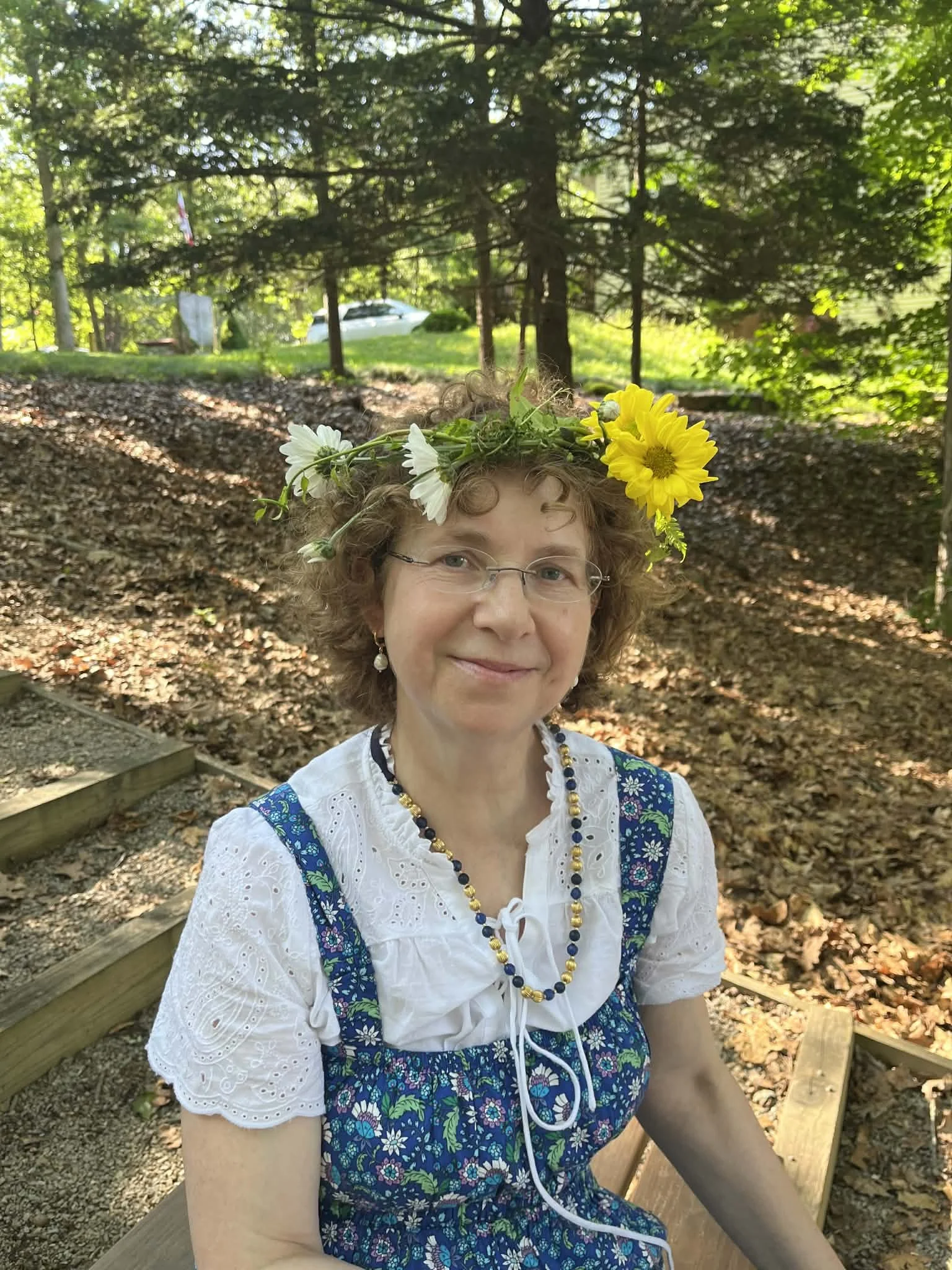
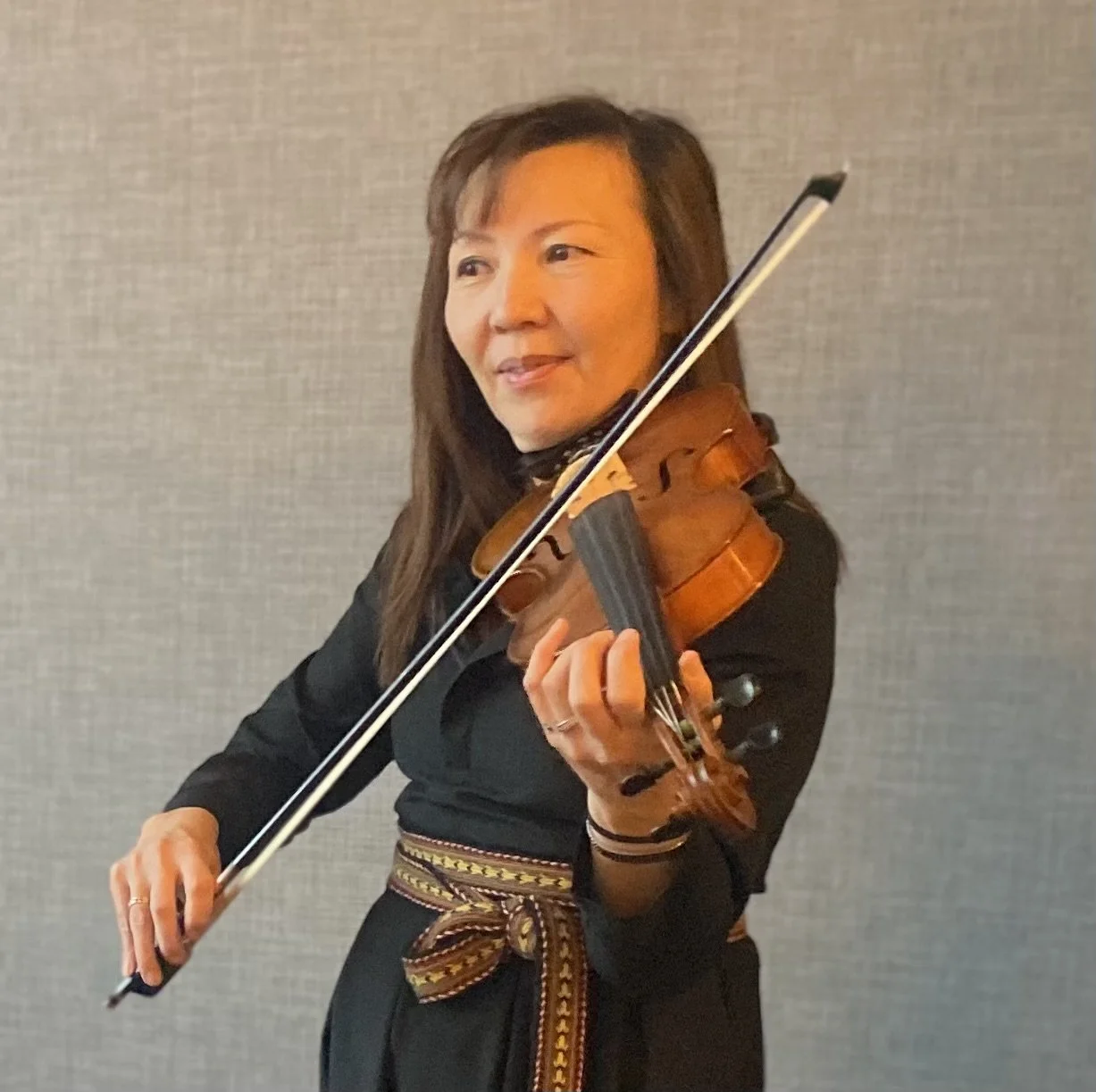
I am a marketing professional by day and a singer with a passion for world music at heart. I love connecting with people through music-making and value the sense of community that comes from singing together across cultures. I also enjoy playing the violin and exploring new ethnic instruments—gusli, balalaika, multi-flute kugikly, and drums — drawn to the unique sounds, techniques, and stories each one carries.
Ouliana Bashinova
Oxana Vassiltsova
I grew up in Siberia, where folk music was part of my everyday life. As a child, I would listen in quiet fascination as my relatives sang traditional songs, and those early experiences left a deep imprint on me. In high school, I joined a folk group and sang for several years, discovering how powerful and grounding this music can be. Residing in Massachusetts, I was grateful to find the opportunity to return to this traditional singing and join Grunya. Singing Russian folk songs connects me to my heritage and allows me to experience their depth, resilience, and beauty carried through generations.
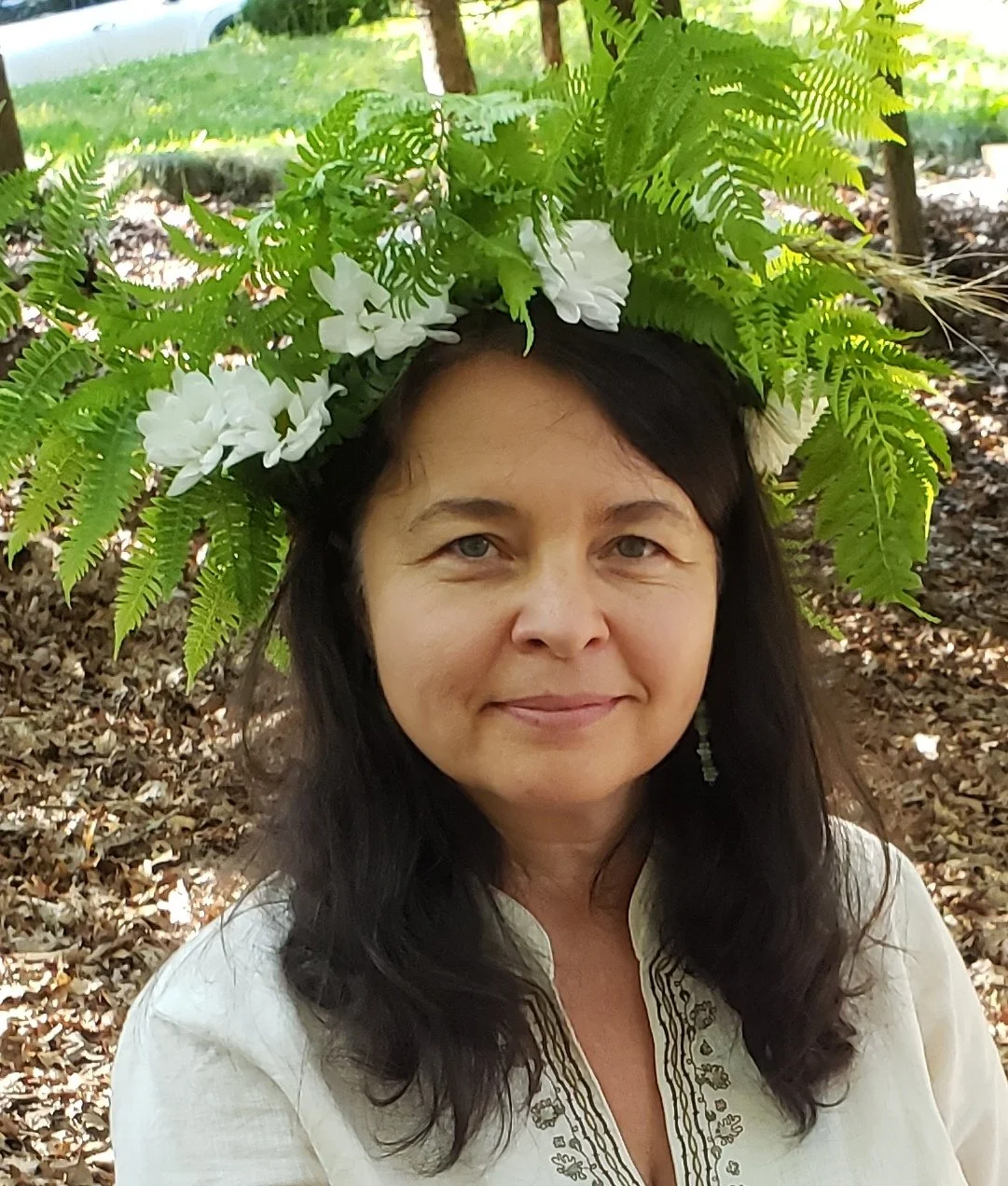
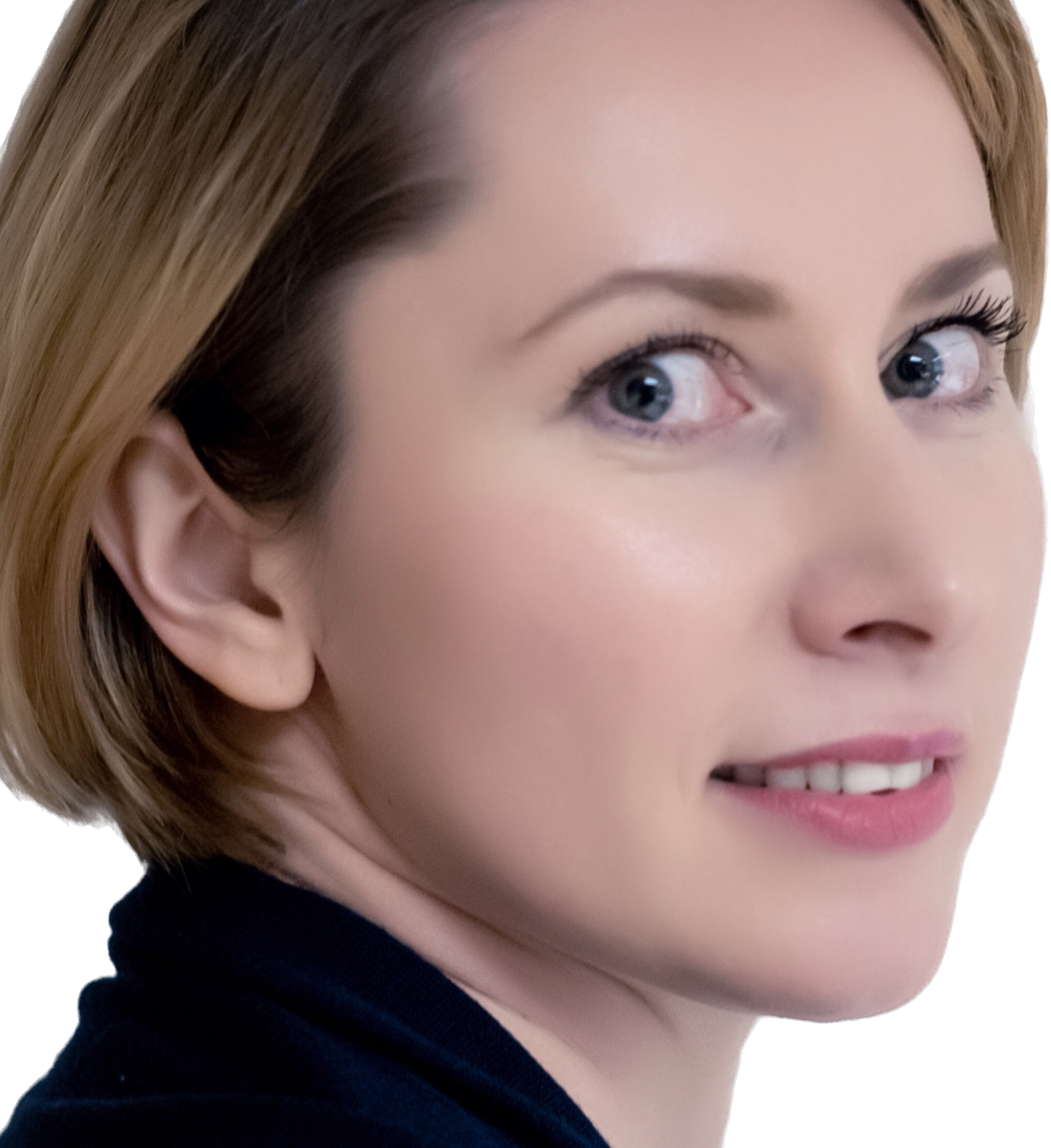
I am an educator and an actress, and singing has always been one of my favorite ways to connect with people. I have a deep love for folk music, especially the rich traditions of Slavic cultures. As a Lemko, I feel a personal connection to these songs and to the stories, sounds, and customs of my heritage. I’m excited to explore this musical world, learn from others, and share the joy of singing together with the wonderful community of Grunya.
Polina Dubovikova
Katya Popova
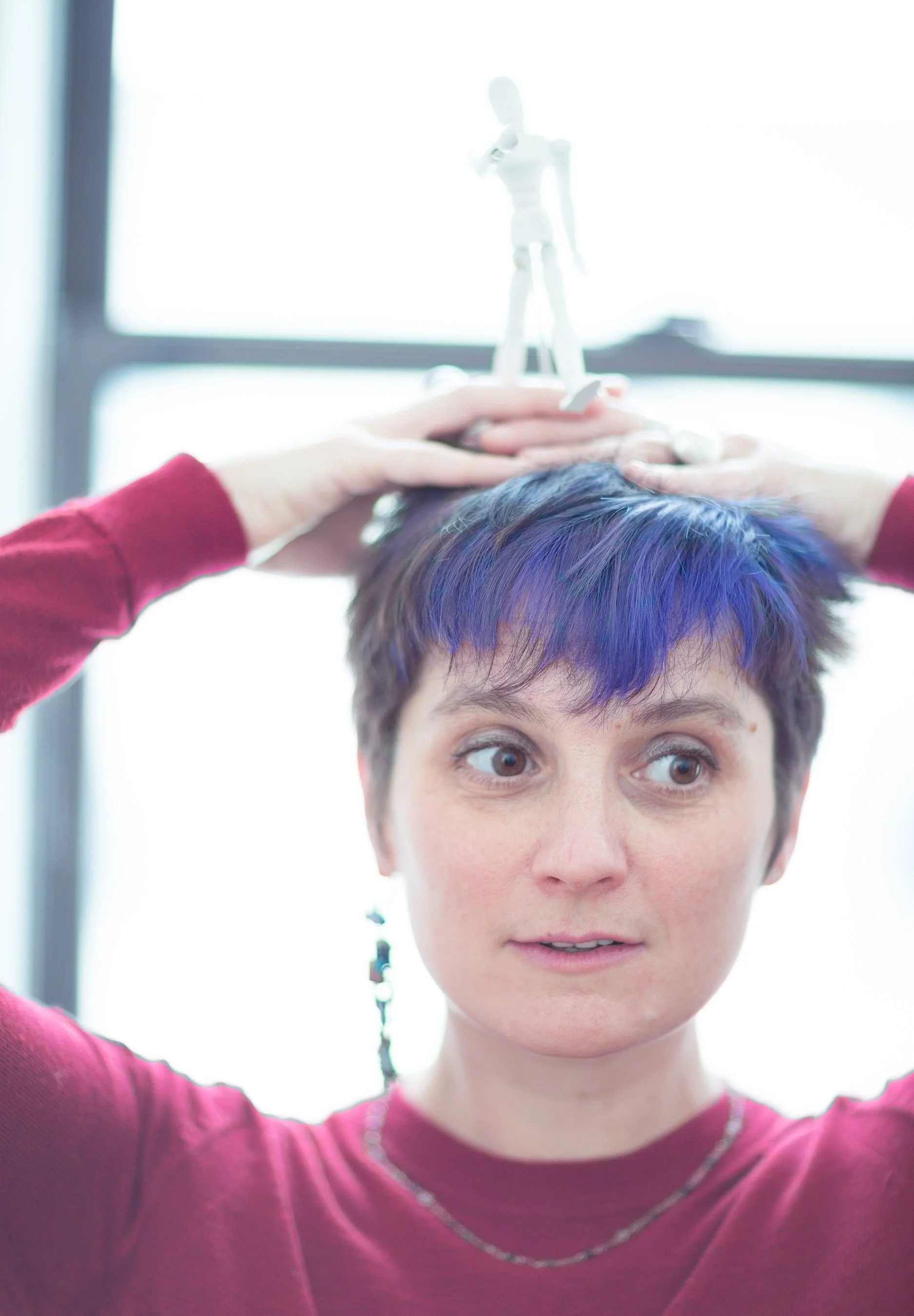
My work has grown out of a love for the meeting place between music, movement, theater, and visual art. Folk music has become increasingly important to me. I am drawn to music as a communal and embodied practice—something connected to storytelling, ritual, memory, and everyday life. My involvement in Grunya’s ensemble has been central to this exploration, giving me direct experience of making music together and the energy that comes from learning and sharing traditional material as a group.